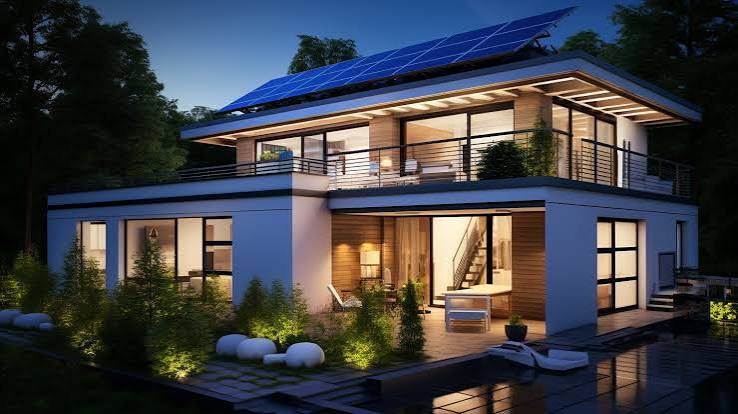
The modern home is changing in ways that would have seemed unusual just a few years ago. People are not only thinking about furniture, colors, and room layouts anymore. Technology has become another important part of creating a comfortable and practical living space.
From smart appliances and connected lighting to digital security and energy-saving devices, technology can make everyday household tasks easier. At the same time, good home planning remains important because even the most advanced device cannot fix a poorly organized space.
Websites such as HomeLayerz and TechReportHub fit naturally into this changing environment, where readers can explore ideas around modern homes, technology, and the practical ways these two areas increasingly overlap.
A Comfortable Home Starts With Good Planning
Before adding technology or making expensive upgrades, homeowners should understand how their space is actually being used.
A room may look attractive but still feel uncomfortable if there is not enough storage or if furniture makes movement difficult. Similarly, adding several smart devices without considering how they work together can make a home feel more complicated rather than more convenient.
Good planning starts with simple questions. Which areas of the home need improvement? What problems happen regularly? Which upgrades would genuinely make everyday routines easier?
Answering these questions can help homeowners avoid spending money on things that look impressive but provide little practical value.
Smart Technology Can Improve Daily Routines
Smart home technology has become increasingly accessible. Connected lights, thermostats, appliances, cameras, and other devices can provide greater control over different parts of a home.
For example, smart lighting can allow homeowners to adjust lights without walking around the house switching individual controls. Connected appliances can provide reminders or allow certain functions to be managed remotely.
The real benefit is convenience. Technology should reduce small frustrations that people encounter repeatedly during the day.
There is no need to turn every object in a home into a smart device. Sometimes one useful upgrade is more valuable than ten gadgets that rarely get used.
Better Lighting Can Change a Space
Lighting is one of the simplest ways to influence how a home feels.
A room with poor lighting can appear dull and uncomfortable, while a well-lit space can feel more welcoming. Different areas also need different types of lighting. A kitchen may benefit from brighter task lighting, while a living room might work better with softer options.
Technology gives homeowners more flexibility through adjustable and programmable lighting systems. These can be especially useful when different activities take place in the same room.
Still, natural light should not be forgotten. Windows, curtains, mirrors, and room arrangement can all affect how much daylight reaches an interior.
Home Security Is Becoming More Digital
Security has also benefited from technological development. Modern homeowners can choose from a range of digital security tools, including connected cameras, smart locks, door sensors, and notification systems.
These tools can provide greater awareness of what is happening around a property. Some systems can send alerts when unusual activity is detected or allow homeowners to check certain areas remotely.
However, digital security also requires responsible management. Devices should be kept updated, passwords should be strong, and account access should be protected.
A connected security system is only as reliable as the way it is configured and maintained.
Technology Can Help Reduce Energy Waste
Energy efficiency is another area where technology can be useful.
Smart thermostats, programmable lighting, energy monitoring systems, and efficient appliances can help households understand and manage their energy use.
The benefit is not only financial. Reducing unnecessary energy consumption can also support more responsible use of resources.
But technology is not the only answer. Simple habits still matter. Turning off unused equipment, making sensible temperature choices, improving insulation, and maintaining appliances can all contribute to better household efficiency.
Sometimes the boring solution works just as well as the expensive one.
The Importance of a Clutter-Free Home
Technology cannot compensate for excessive clutter. A home filled with unnecessary objects can feel crowded regardless of how advanced its devices are.
Storage therefore remains one of the most valuable areas for improvement. Shelving, cabinets, baskets, and multifunctional furniture can help keep everyday items organized.
Digital technology can even contribute indirectly. Smart reminders, digital shopping lists, household calendars, and organization applications can help people manage routines without relying on piles of paper notes.
A well-organized home generally makes everyday tasks easier and reduces the amount of time spent looking for things.
Choosing Technology Carefully
There is a temptation to buy the newest device whenever a new product appears. But homeowners should think about usefulness before making a purchase.
A technology upgrade is worth considering when it solves a genuine problem, saves meaningful time, improves safety, reduces waste, or adds useful convenience.
Compatibility is also important. If several smart devices are used, they should ideally work together without requiring a confusing collection of separate applications.
Technology should simplify a home, not turn the homeowner into a full-time IT support person.
Privacy Matters in Connected Homes
Connected devices can collect and transmit information, which means privacy deserves attention.
Homeowners should understand what information their devices collect and how accounts are protected. Default passwords should be changed when necessary, software should be updated, and unnecessary permissions should be avoided.
It is also wise to think before connecting every household device to the internet. Not every appliance needs remote access.
A more connected home can be useful, but it should also be a carefully managed home.
Combining Design With Technology
The best modern homes do not necessarily look like futuristic laboratories. In many cases, technology works best when it blends naturally into the existing design.
Speakers, lighting controls, charging stations, televisions, and other devices can be incorporated without dominating the room.
Home design should remain focused on comfort and personal needs. Technology is there to support that goal.
This balance is becoming increasingly important as more digital products enter ordinary households.
Looking Ahead
The relationship between home design and technology will likely become even stronger. Devices will become easier to use, connected systems may communicate more effectively, and homeowners will have more options for managing lighting, security, energy, and entertainment.
For people interested in these developments, platforms such as HomeLayerz and TechReportHub provide natural spaces for exploring ideas related to modern homes and the evolving technology landscape.
Ultimately, a better home is not defined by how many smart devices it contains. It is defined by how comfortably and efficiently the people living there can use the space. When thoughtful home planning is combined with practical technology, even small changes can make everyday life noticeably easier.